Published on: July 12th, 2025
|
 |
|
Good morning, Pro Briefers!
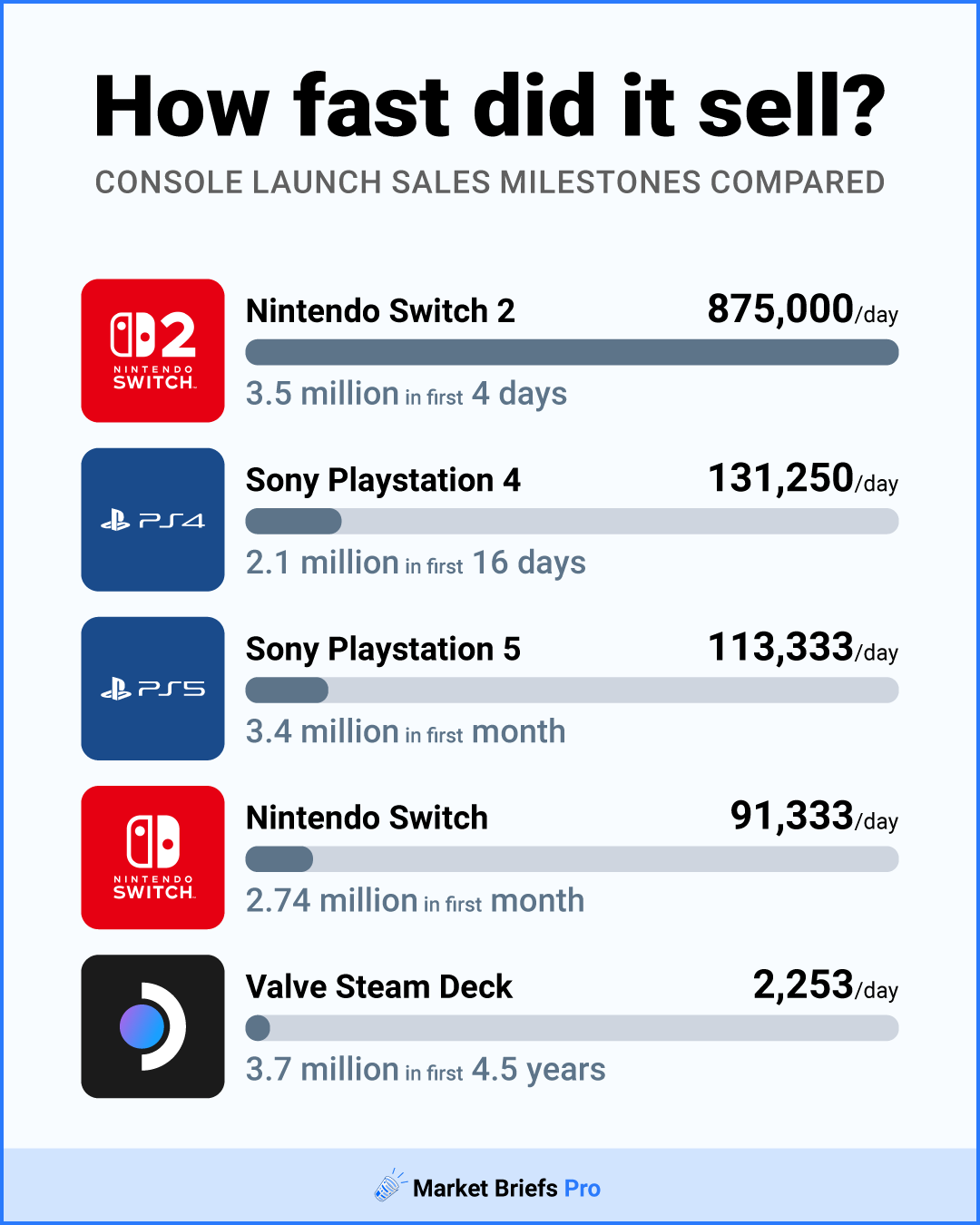
In June 2025 over 2.2 million people in Japan signed up to buy a Switch 2.
The result? The Switch 2 sold about 3.5 million units in its first four days, making it one of the fastest selling consoles of all time.
|
 |
Data via Ardimus |
|
Who cares? This moment for Nintendo goes beyond gaming, and is a part of what we have identified as a Main Street Shift:
As video games grow in demand, companies will need to spend more on gaming infrastructure, hardware, equipment, and licensing.
Investors may want to keep an eye on this Shift for one reason: Demand.
Gaming as an industry brought in $184 billion in revenue in 2024 - that’s more than double the revenue made from the NFL and the entire movie industry combined last year.
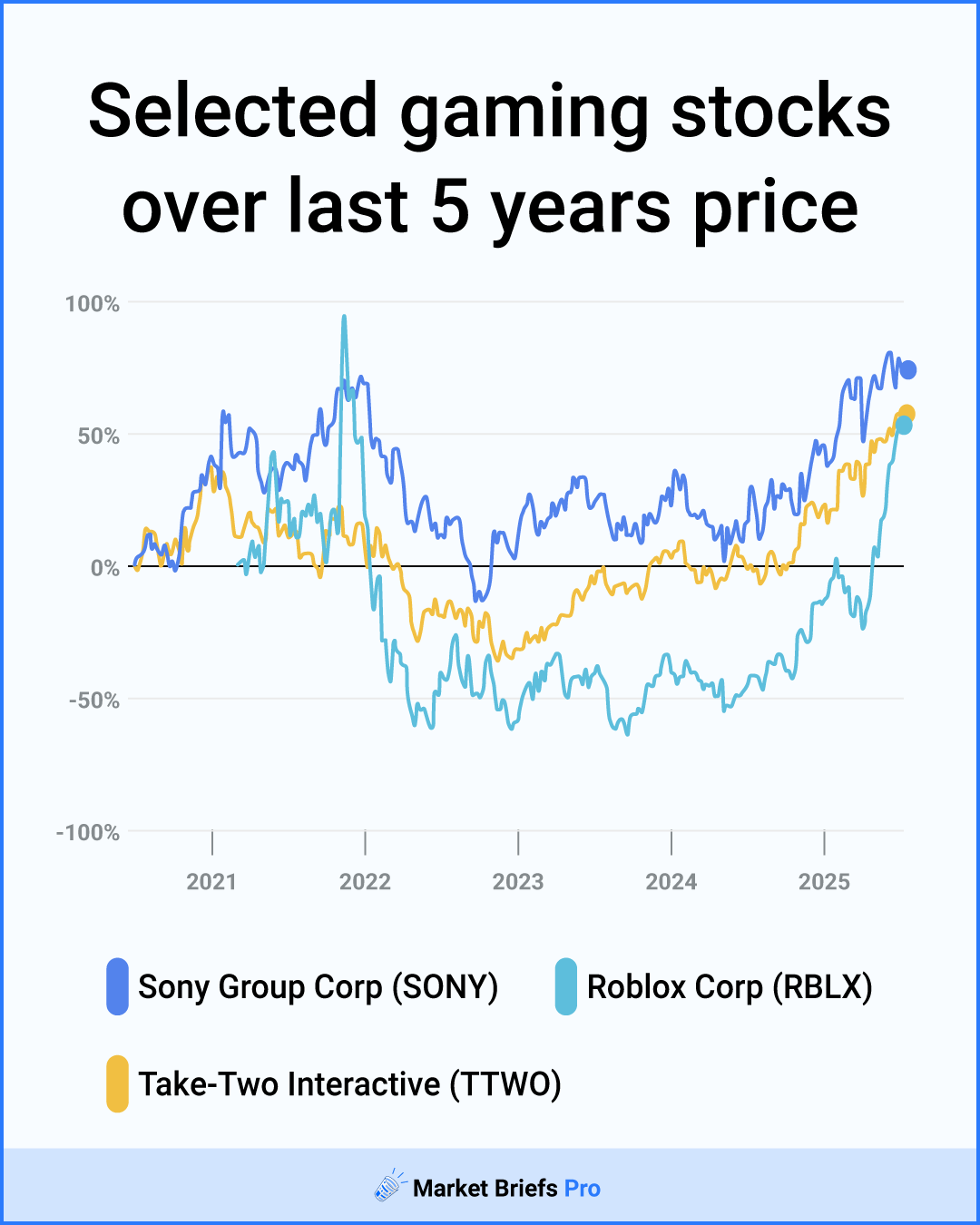
Demand and hype for new consoles like the Switch 2 has even pushed up other major video game stocks so far in 2025:
-
Sony: +20%
-
Take-Two: +31%
-
Roblox: +76%
|
 |
Data via Google Finance |
|
These publishing companies used to be the only options for investors to benefit from the industry.
But now, gaming has grown beyond just publishers, and as gaming grows in demand, the infrastructure around it will need to grow too.
We spoke to an industry expert and Managing Partner at Gamma Law, David Hoppe, to learn more about this Shift in an exclusive interview as well.
According to David, opportunties in gaming are only heating up:
"This segment in gaming is just going to continue to grow. I think the economics support this, from the perspective of licensors, games are going to continue to be an important segment."
This means industries that support gaming software, hardware, and content are growing, which creates new opportunities for investors to profit. |
 |
|
How did we do? Reply directly to this newsletter to let us know how you took action with this Shift!
|
|
|
HARDWARE & EQUIPMENT |
Gaming Gear
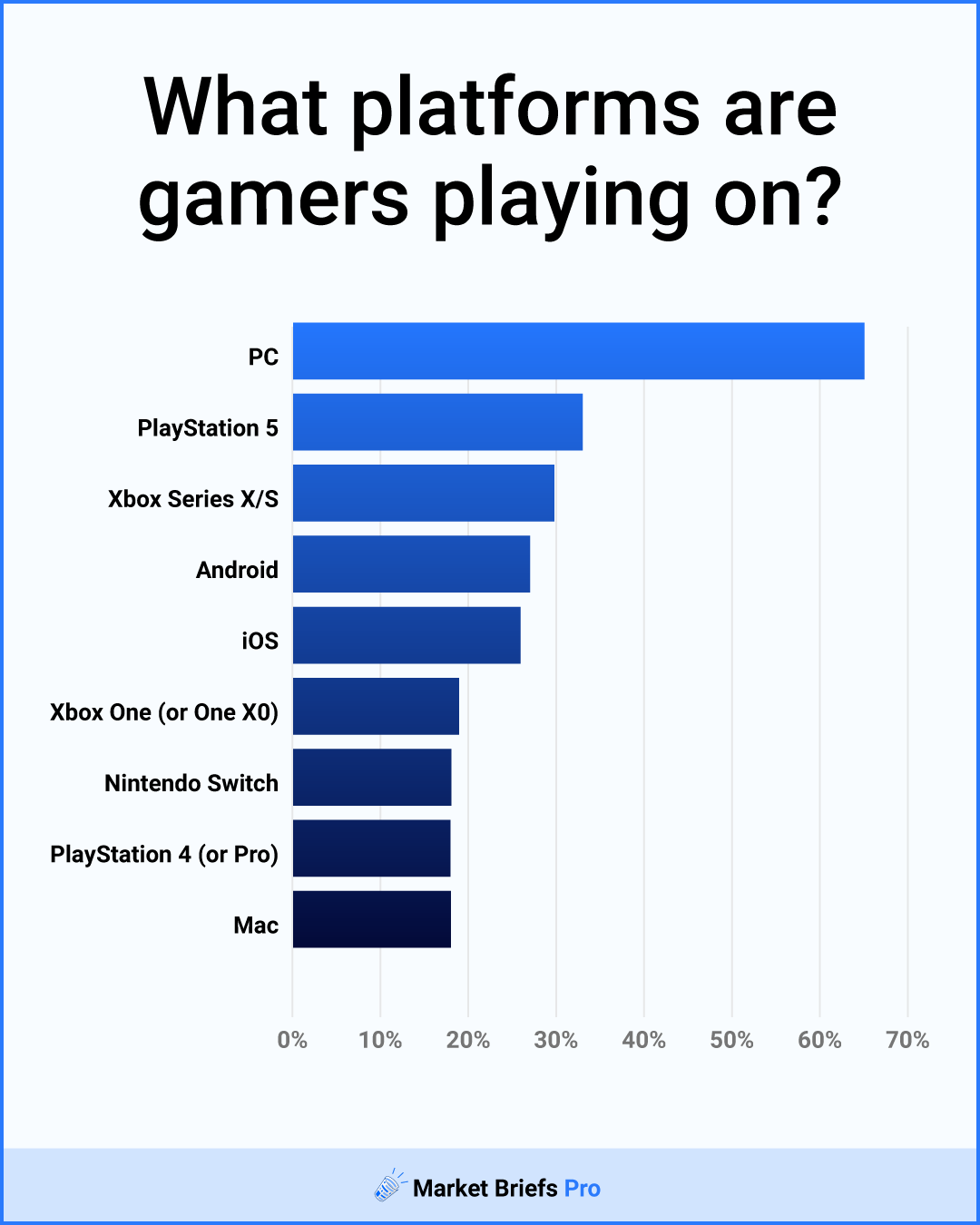
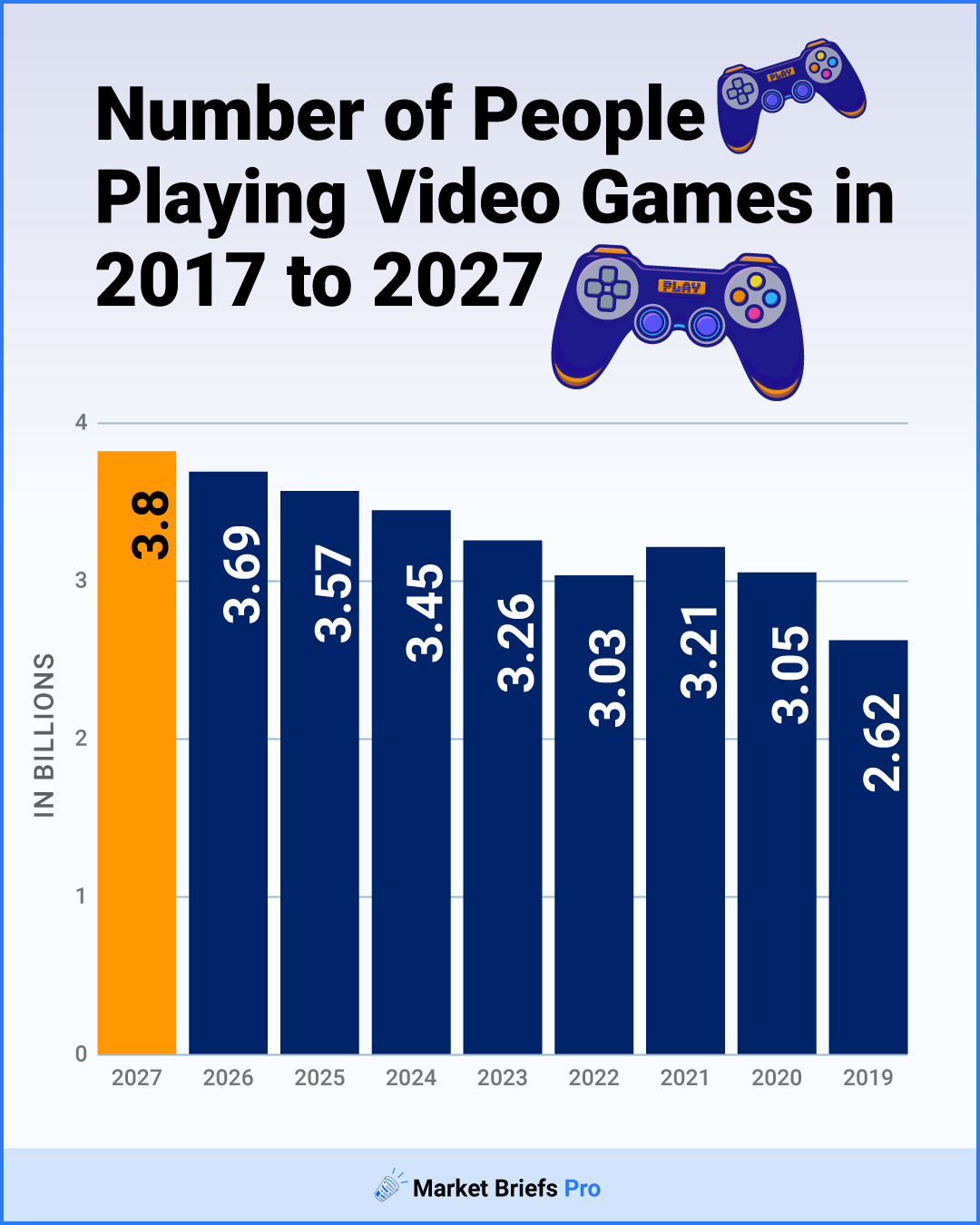
3.8 billion future gamers all have one thing in common: they need hardware and equipment to play games.
For instance, whether gamers play on a console like the Switch 2, or a PC, they need a graphics card.
But, PCs need more hardware and equipment than just GPUs.
|
 |
Data via Exploding Topics |
|
Almost 25% of gamers exclusively play online with others - that’s led to an increase in gaming equipment like headphones, microphones, mice and more.
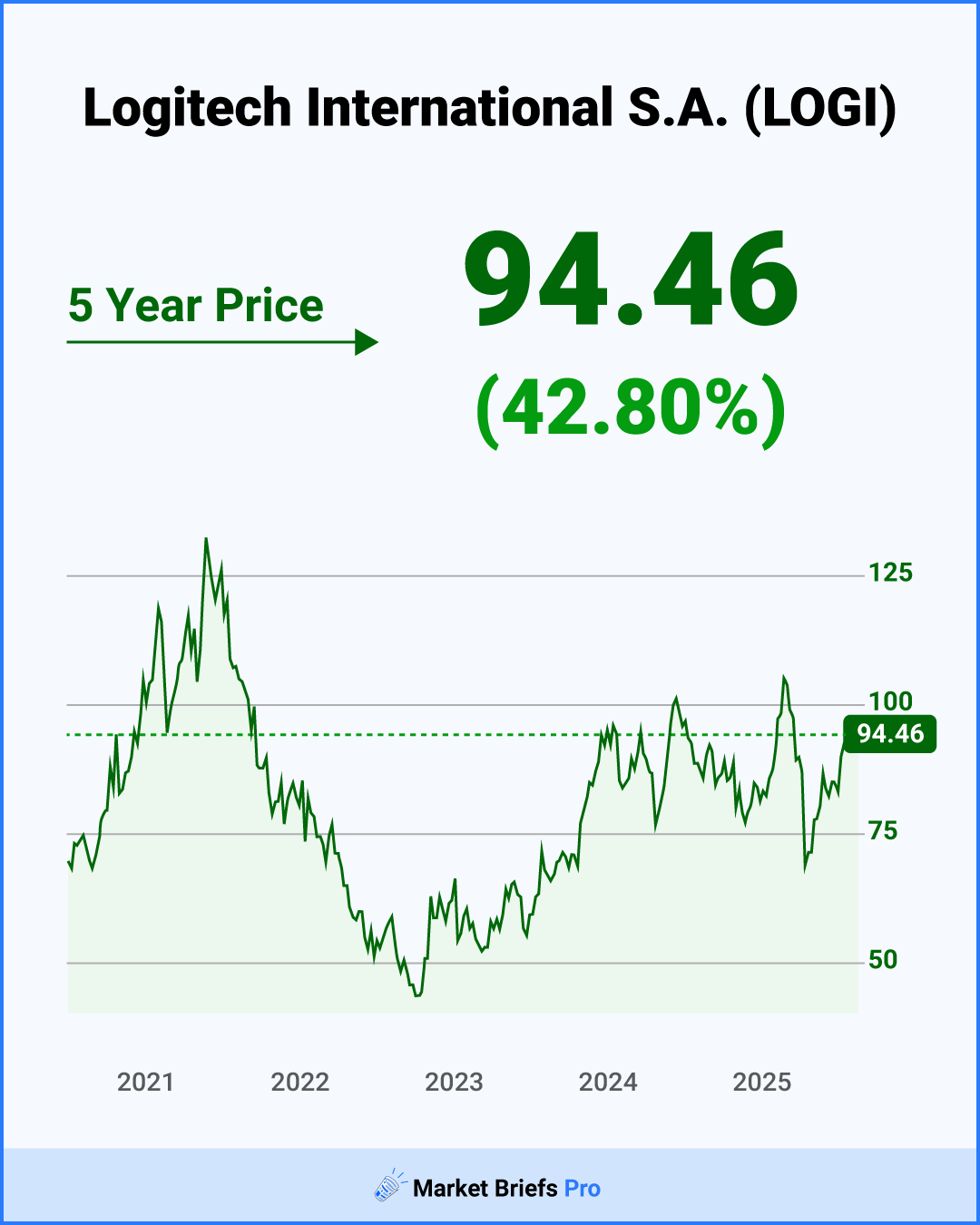
Logitech (LOGI) has emerged as a leading producer of gaming equipment, with Grand View Research estimating that it holds roughly 30% of the market.
Why? Tech made by Logitech is considered a standard option for both pros and regular gamers in the industry.
They also partner with top-tier e-sports organizations, which is a company that manages professional video game teams, to prove that they make gaming equipment good enough for the pros. |
 |
Data via Company 10-K |
|
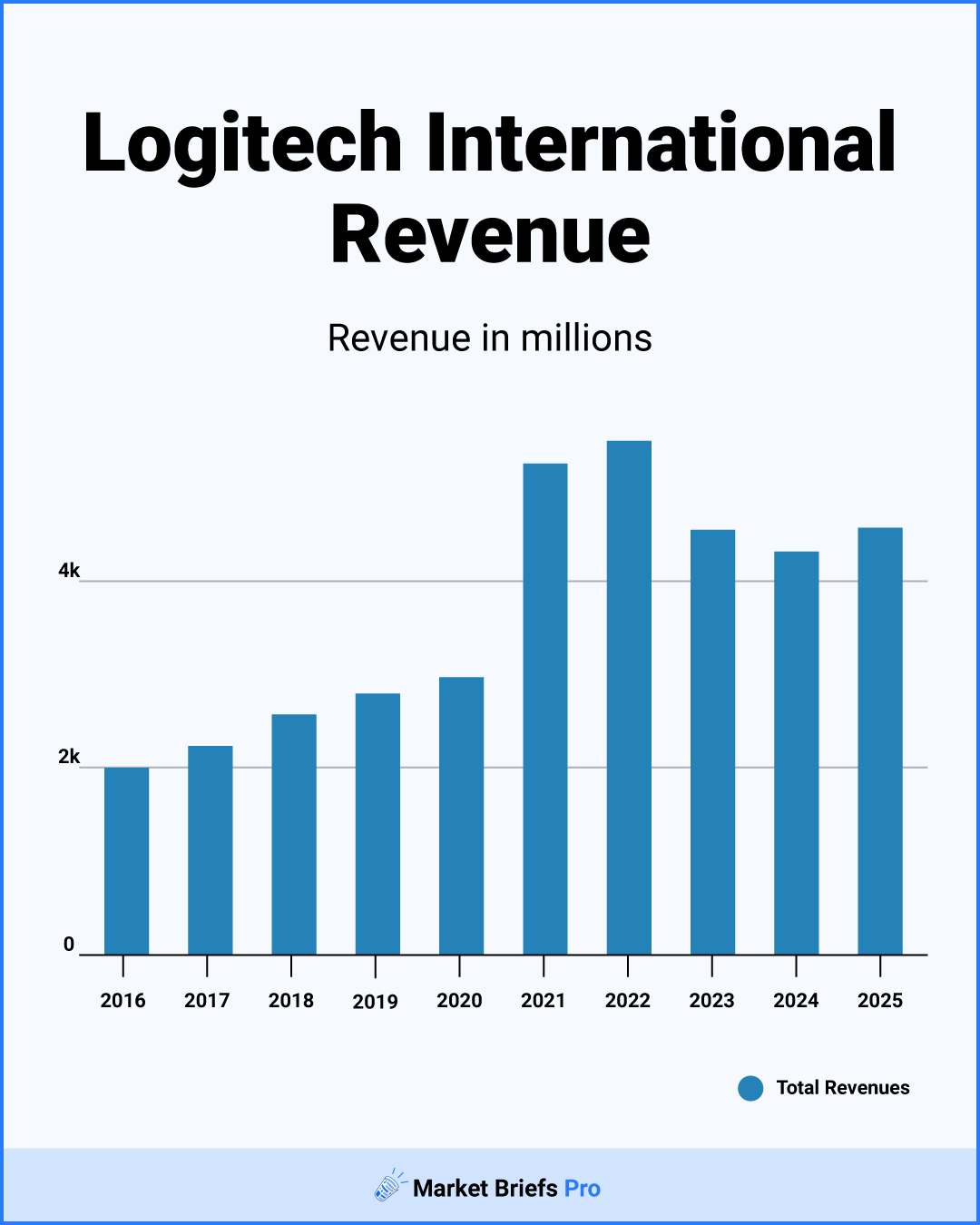
That marketing has paid off - last year, Logitech earned $273 million from its gaming segment alone, a 7% year-over-year increase.
And while its overall revenue has fallen, namely as fewer people are working from home, its net income (revenue minus expenses) increased by 67% annually. |
 |
Data via Yahoo! Finance |
|
There’s something more important to gamers than equipment though: the actual hardware.
Of the 3.3 billion current gamers out there,1.86 billion of them play exclusively on PC, not on a traditional console like the PlayStation, Switch, or Xbox.
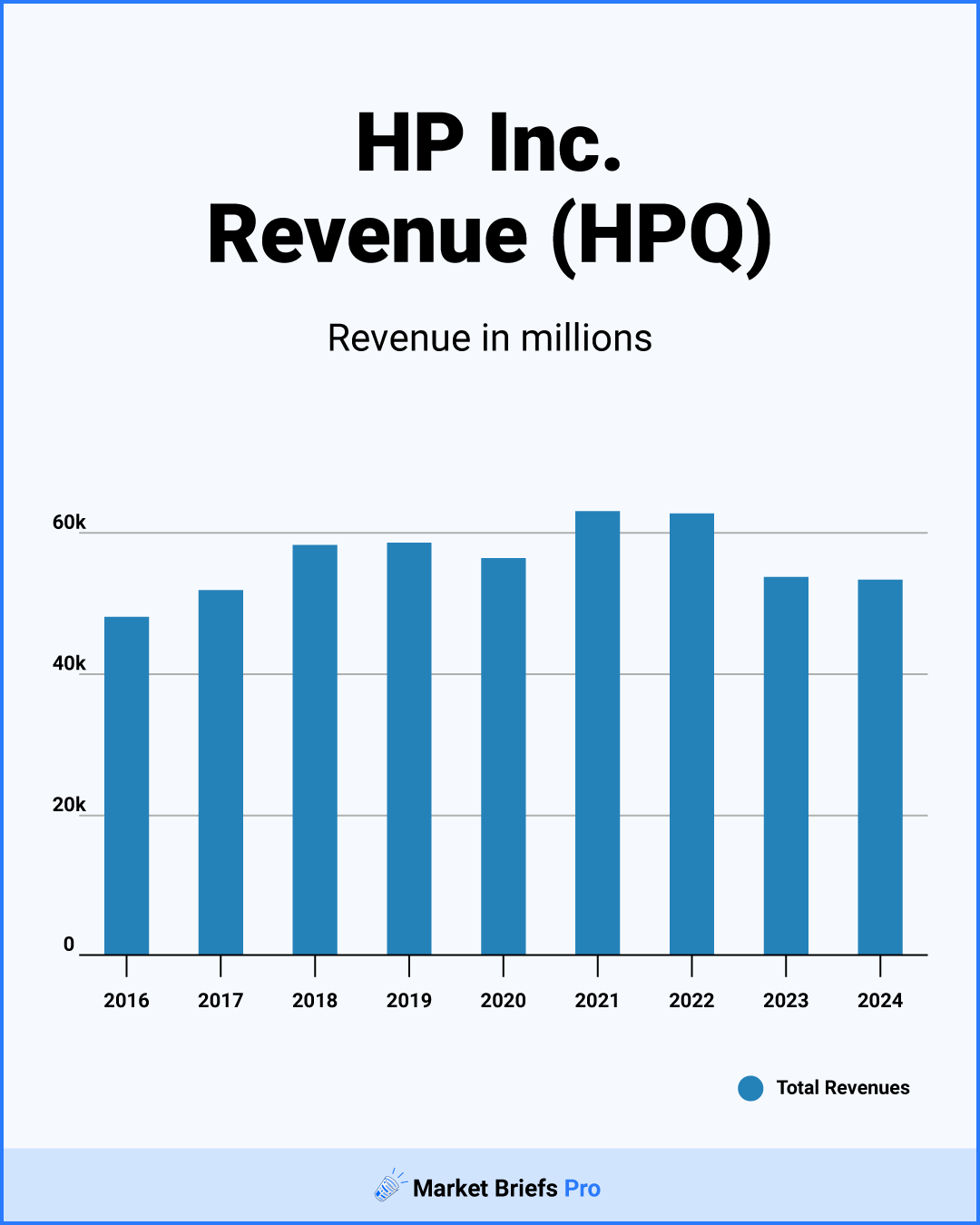
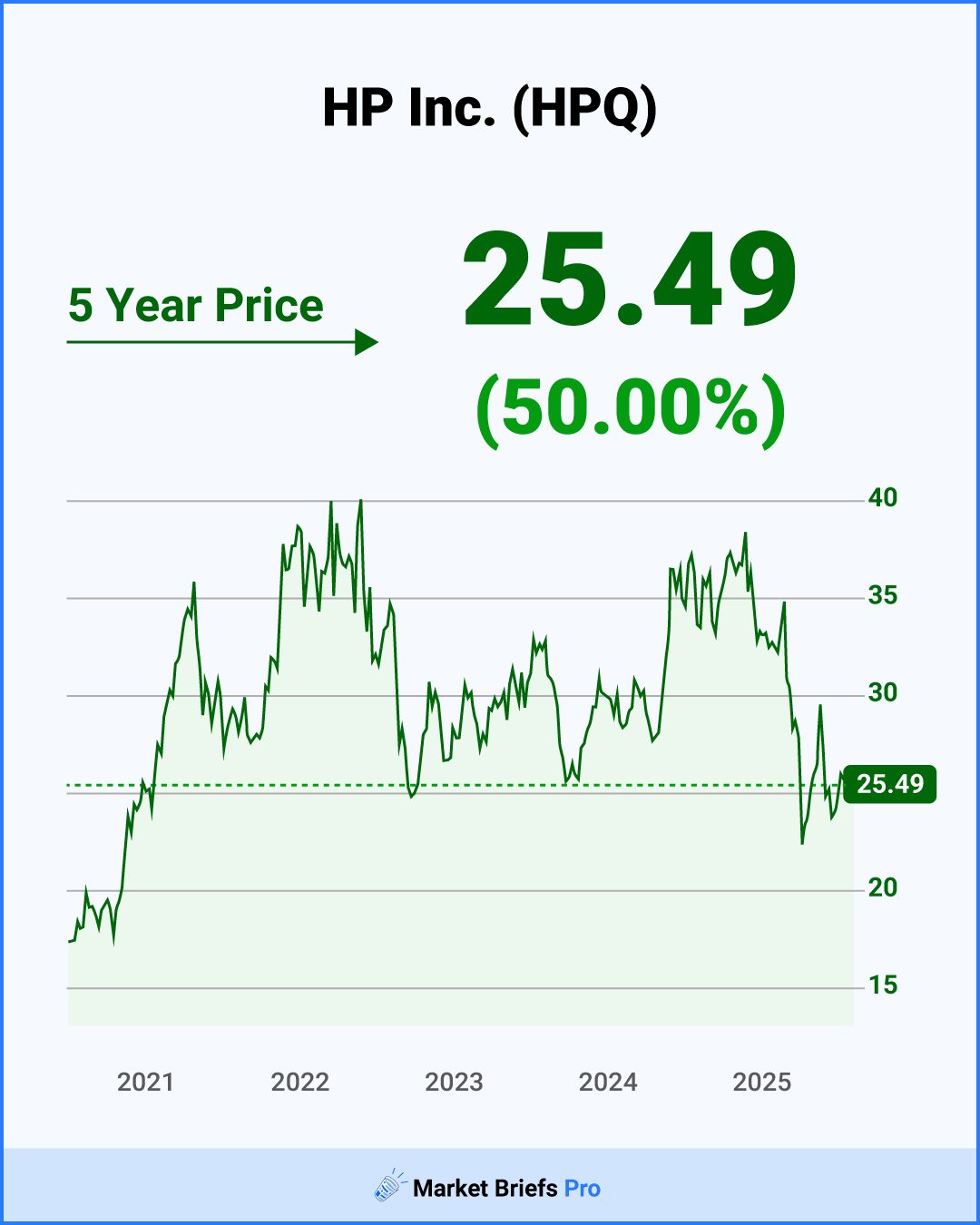
One of the world leaders in gaming PCs is HP (HPQ) - they even have their own brand of gaming PCs and laptops called Omen. |
 |
Data via Company 10-K |
|
What sets them apart really has nothing to do with gaming at all, but in cooling.
HP Omen PCs have high-powered fans that keep the computers cool, even during high-intensity gaming.
HP has also taken its commitment to gaming one step further, acquiring the brand HyperX in 2021 for $425 million - HyperX makes gaming equipment.
Last year, HP made almost $10 billion in its personal computing segment, which includes gaming PCs and laptops, a 2% increase from 2023. |
 |
Data via Yahoo! Finance |
|
So as more gamers pick up controllers, computers, and other hardware and equipment, companies like Logitech and HP are both in a position to benefit. |
|
|
NETWORK INFRASTRUCTURE |
Network Speed = Profit
Gamers are also changing where they play.
What does that mean? A study from Pew Research found that nearly 50% of gamers play on a mobile device like a phone or tablet.
|
 |
Data via GSMA |
|
In short - upgrades to tech and network infrastructure has allowed gamers to play from almost anywhere in the world.
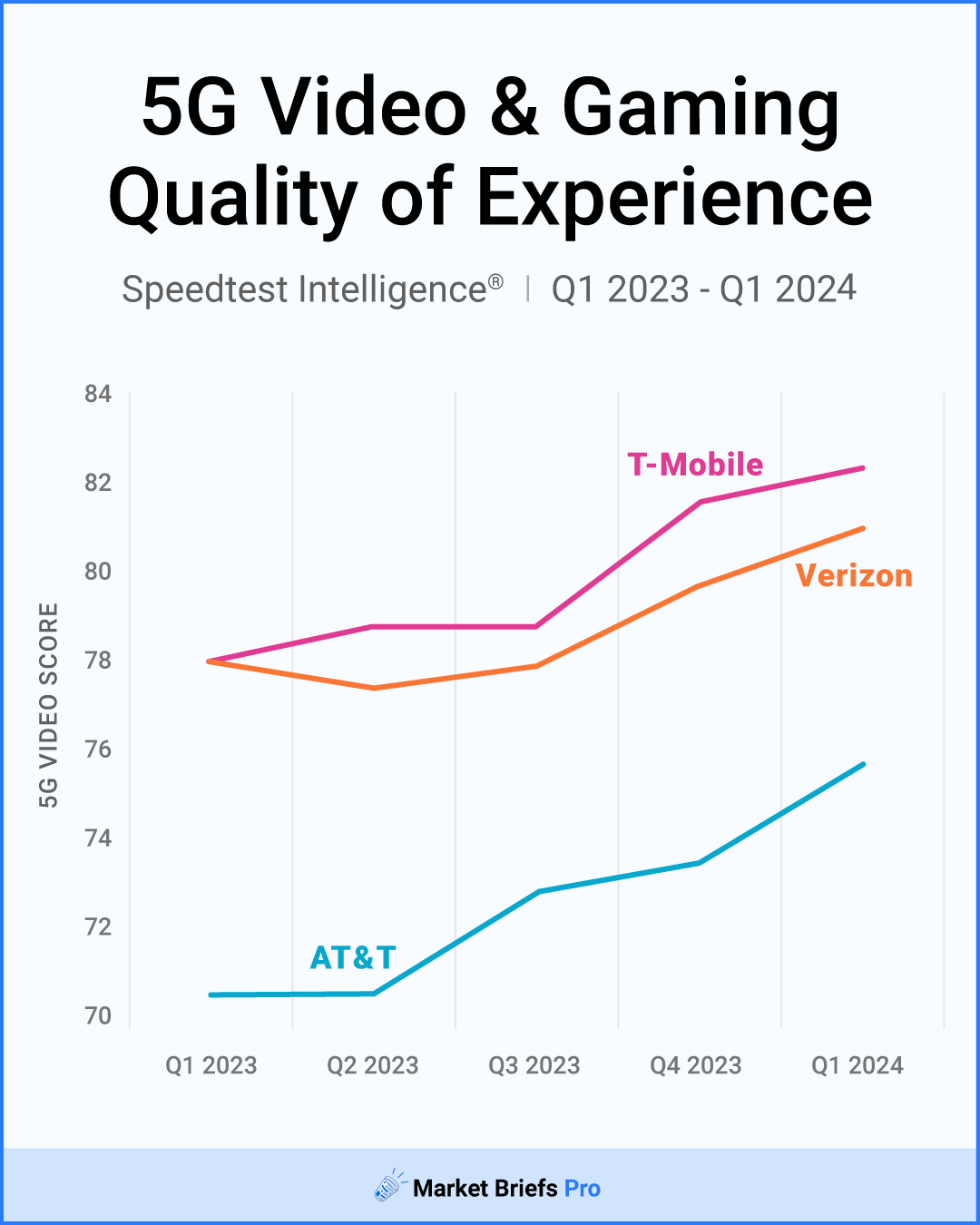
One company that has benefited from this on-the-go gaming Shift is T-Mobile (TMUS).
How? T-Mobile is the national leader in 5G infrastructure - that basically means that its wireless networks are the fastest in the industry.
T-Mobile does not have the largest data coverage in the U.S. - other carriers like AT&T (T) and Verizon (VZ) have more 4G coverage.
|
 |
Data via Company 10-K |
|
But, 4G has a latency rate of around 50-100 milliseconds, which doesn’t sound like much, but every millisecond makes a connection slower.
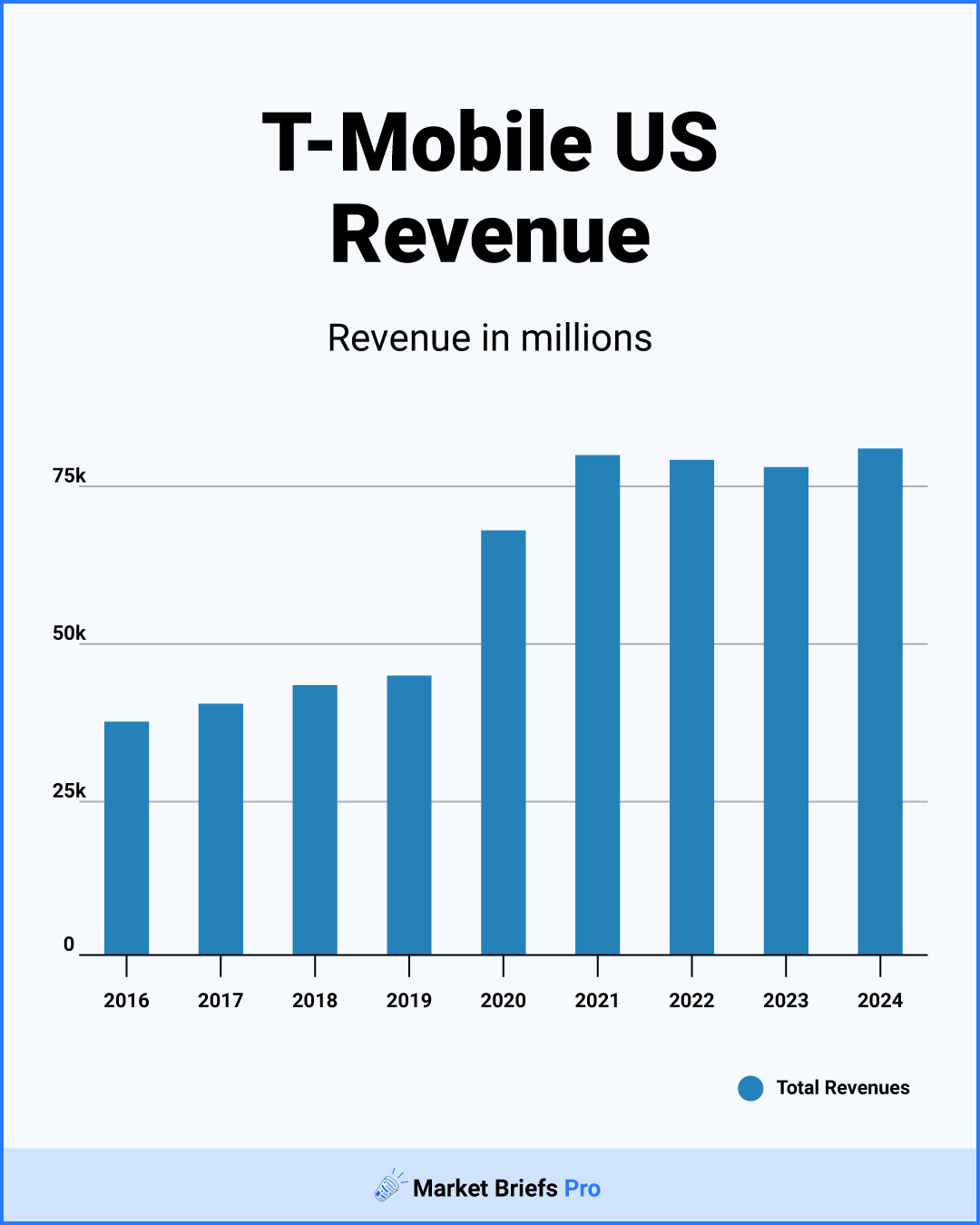
T-Mobile brought in $66 billion in revenue in 2024, a 5% year-over-year increase and will see revenue rise more as gamers continue to play on the go. |
 |
Data via Yahoo! Finance |
|
However, to play games online, there’s another critical component needed: data centers.
Data centers are physical places that store, manage, and distribute data on networks like T-Mobile.
Within these locations, they have switches - these regulate the systems based on how much data is flowing in and out.
Video games utilize a lot of data constantly, so these switches are crucial for a smooth gaming experience. |
 |
Data via Company 10-K |
|
Arista Networks (ANET) specializes in high-performance data center switches and AI networking solutions.
That’s increased heavily due to cloud gaming or gamers who play on the go.
The company has partnered with gaming and cloud giants like Microsoft (MSFT), Oracle (ORCL), and Meta (META) to create switches for their data centers.
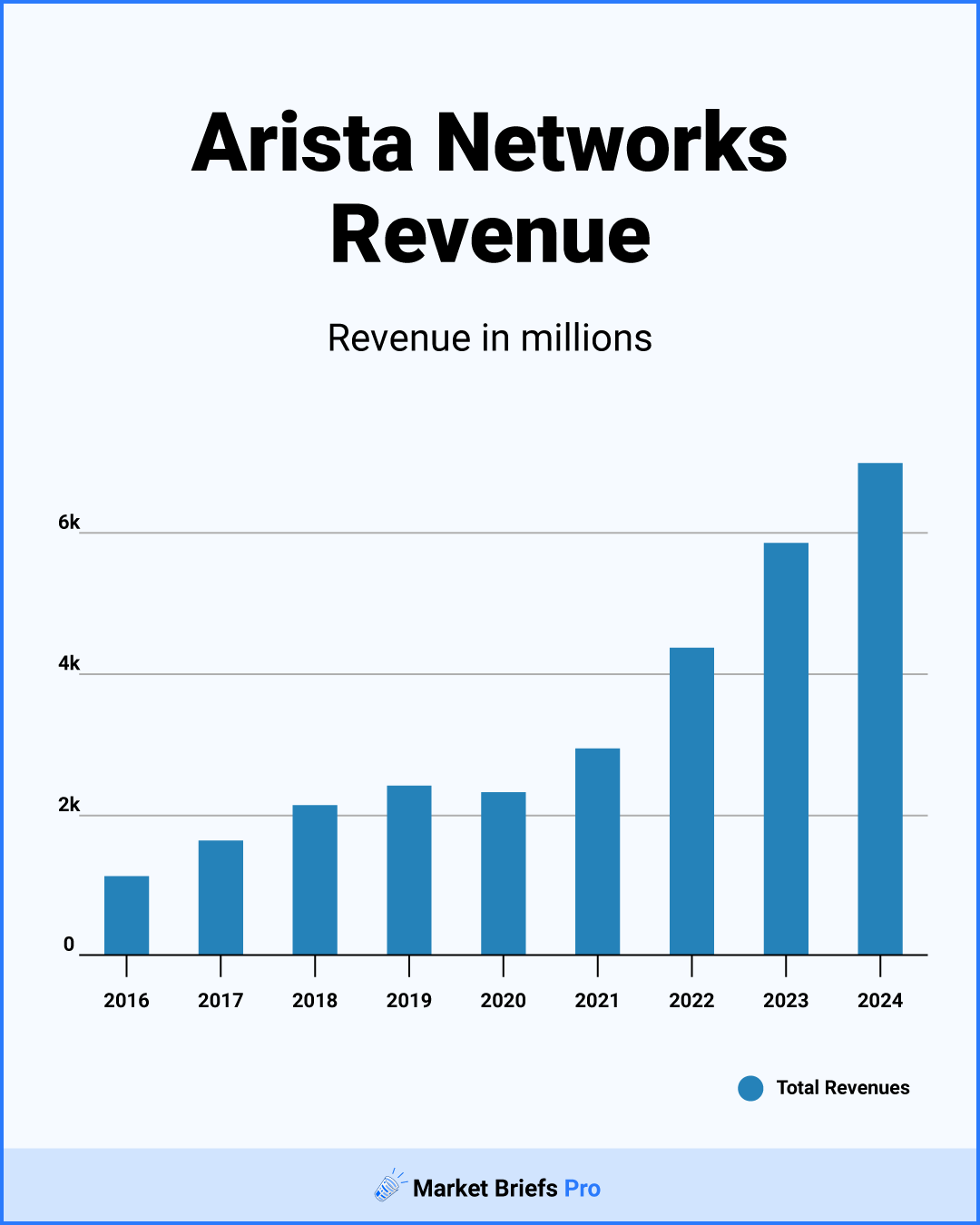
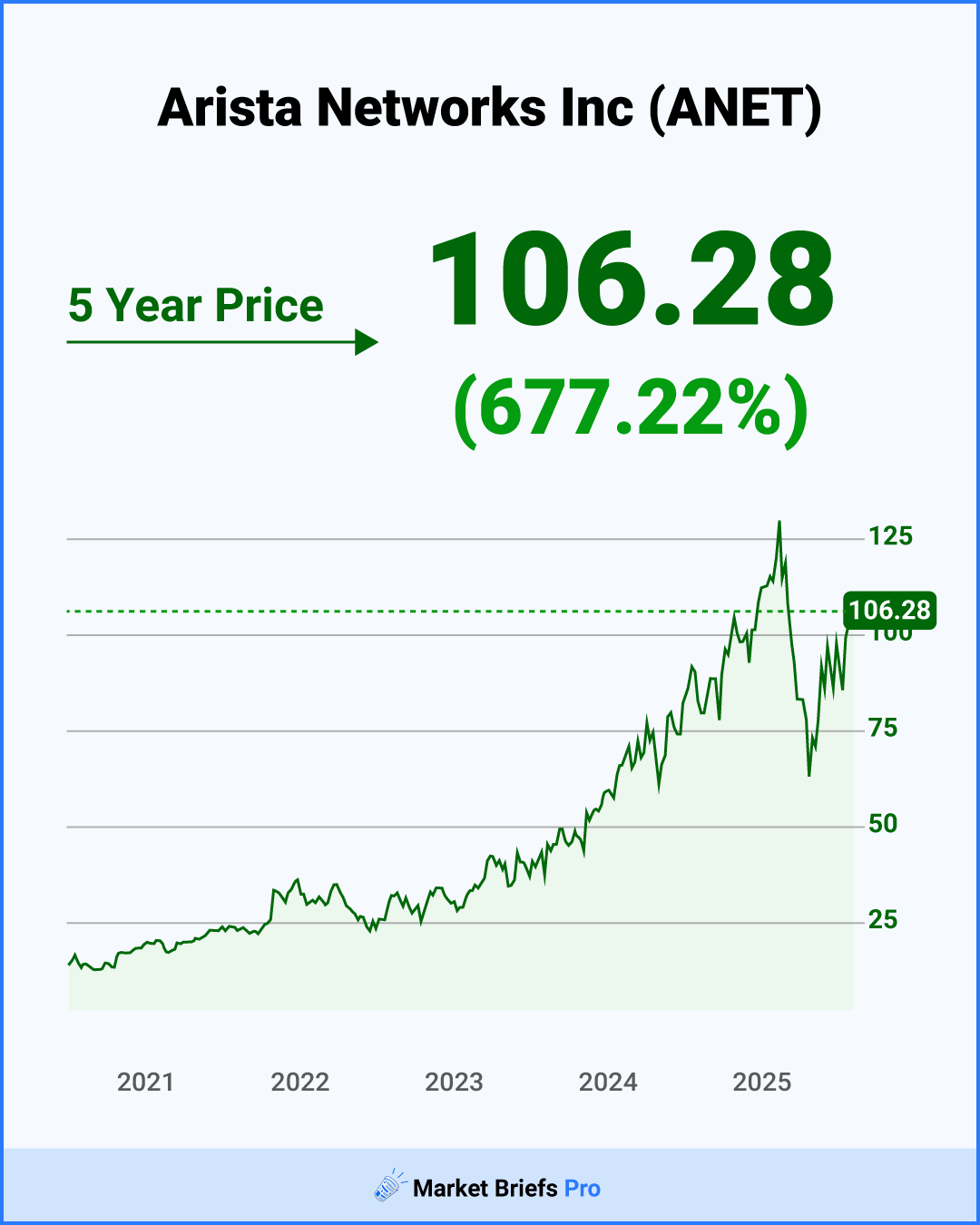
Arista also has over 10,000 data center customers globally, and last year they earned just over $7 billion in revenue, a 19.5% annual increase from 2023. |
 |
Data via Yahoo! Finance |
|
|
LICENSING |
IP Power Play
Collaboration between video game publishers and entertainment companies like Disney (DIS) and Hasbro (HAS) is increasing as well.
Why? Video games like Fortnite and Call of Duty have become blockbuster titles - as a result, they need blockbuster characters and stories that people recognize.
Entertainment companies are now licensing their characters and stories to be used within video games.
This drives hype, but also demand for those games where characters are included.
|
|
 |
Data via Global Toy News |
|
That many players made it one of the most played video games of the year - Marvel characters are owned by Disney and were licensed to the game.
What should investors know? IP licensing has become a growing revenue stream for large entertainment brands.
"User acquisition costs which have always been high but have just been on an upward trend - developers that are looking to manage their risk and to reduce their user acquisition cost through licensing and IP that people already know that they're familiar with." - David Hoppe.
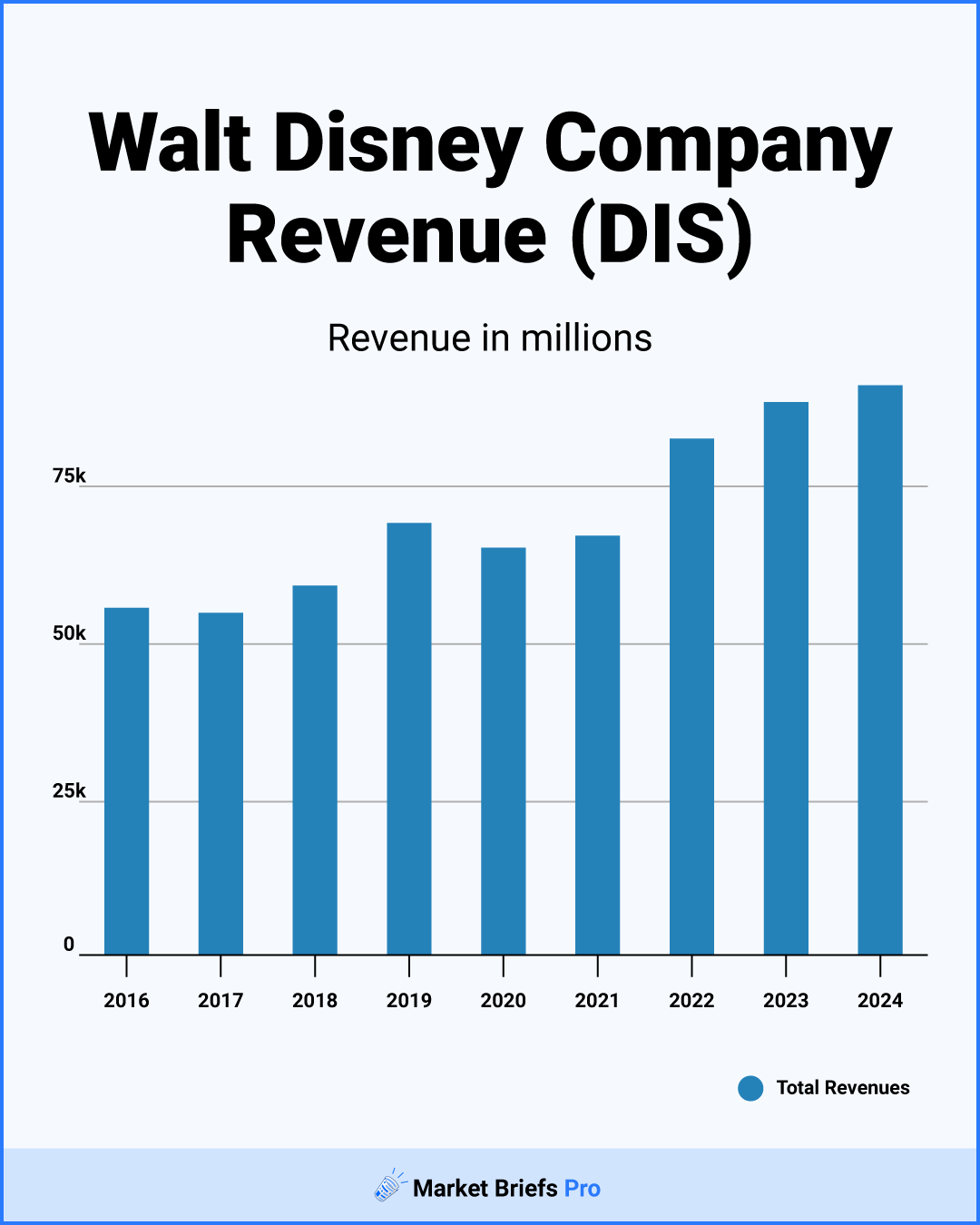
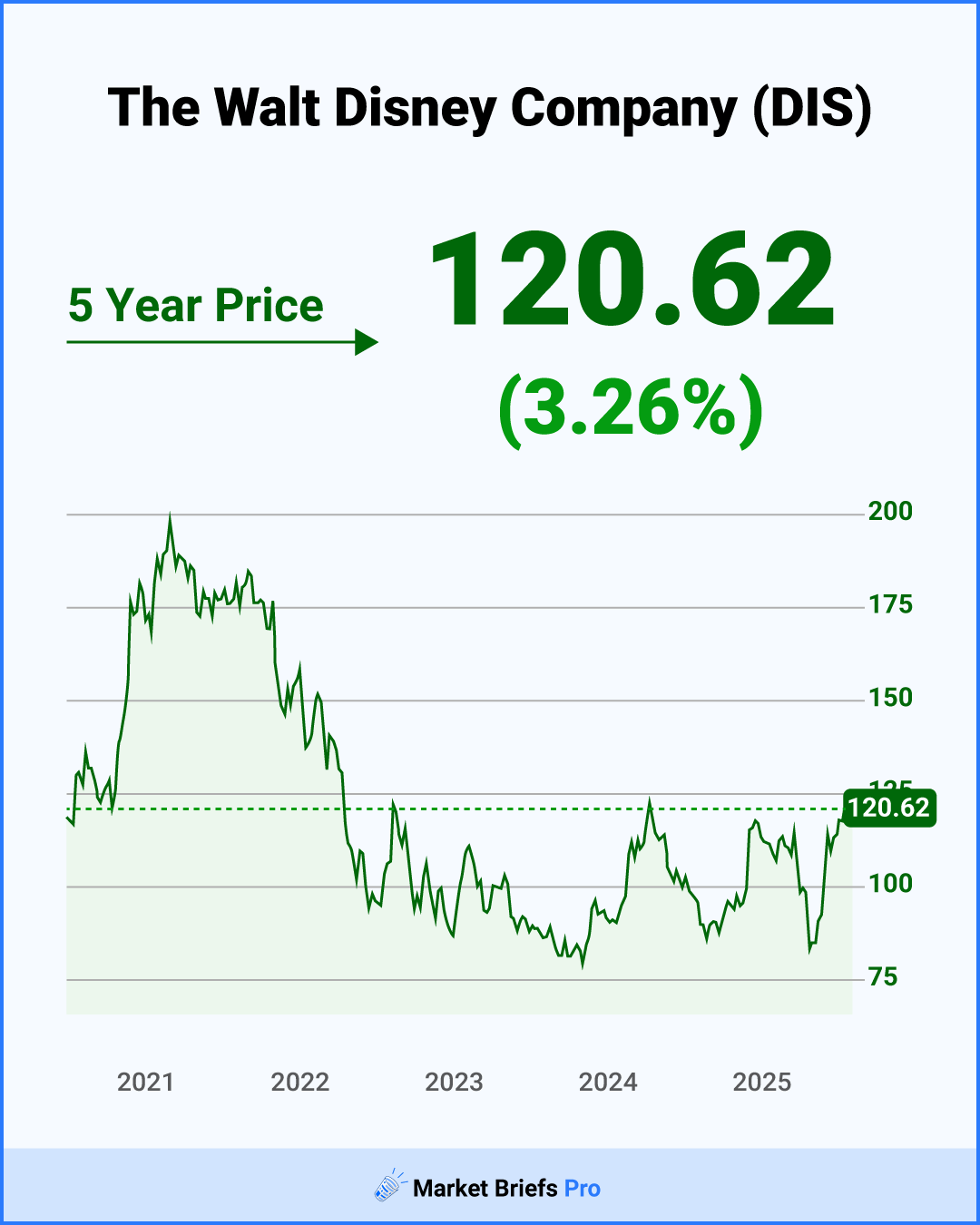
Disney has leveraged many of its IPs in video games, merchandising, and movies in order to bolster its brand recognition and revenue.
What makes Disney stand out when it comes to IP licensing is its large catalog of popular brands and characters. |
 |
Data via Company 10-K |
|
Disney owns the rights to:
-
Pixar
-
Star Wars
-
Marvel
-
Tron
-
20th Century Fox
And much more…
In 2024, the company earned $62 billion in revenue, just from licensing its content, a $1 billion increase from 2023. |
 |
Data via Yahoo! Finance |
|
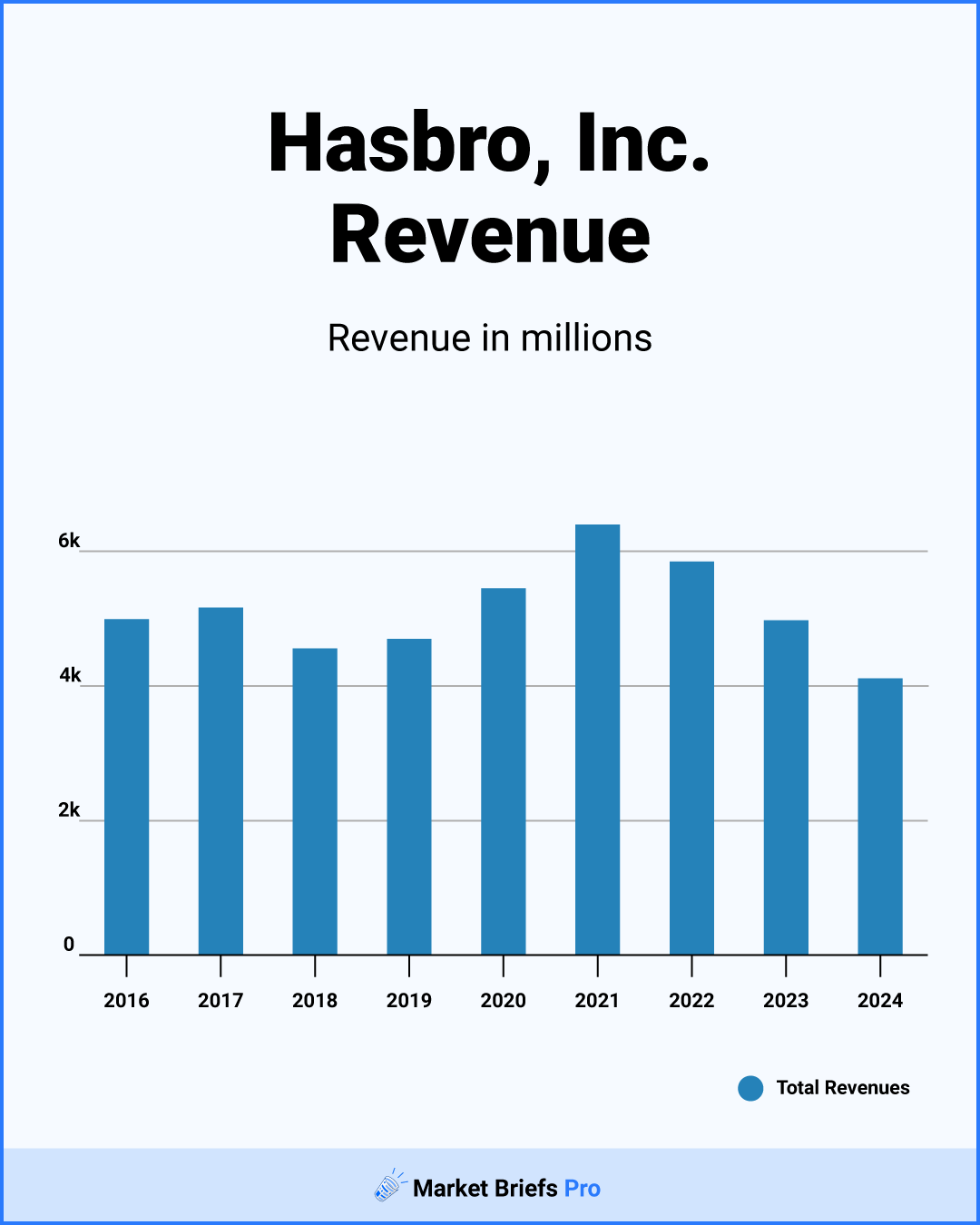
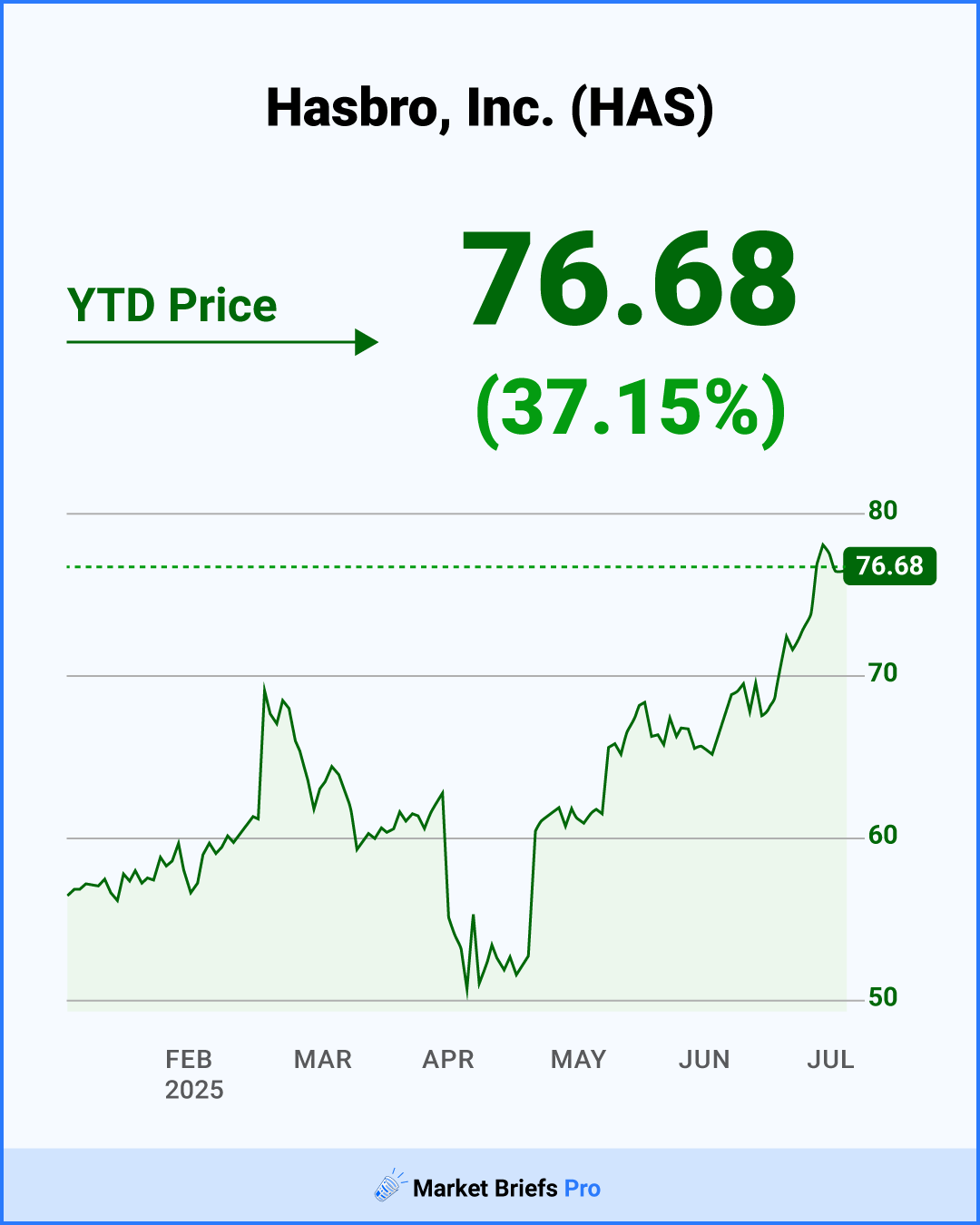
Disney isn't the only name in the game licensing scene though - Hasbro has also diversified its revenue through IP licensing to video game publishers.
Hasbro is the owner of popular tabletop games like Monopoly and Battleship.
Turning these tabletop games into video games has been a huge money maker for the company - its made $3 billion from the video game adaptations alone since 2023.
Hasbro has also committed to publishing at least 1-2 video games based on its characters and titles in 2025 and possibly beyond. |
 |
Data via Company 10-K |
|
Why this matters: Hasbro isn’t creating anything new - but it has solved a big problem for tabletop gamers, the ability to play their favorite games on the go.
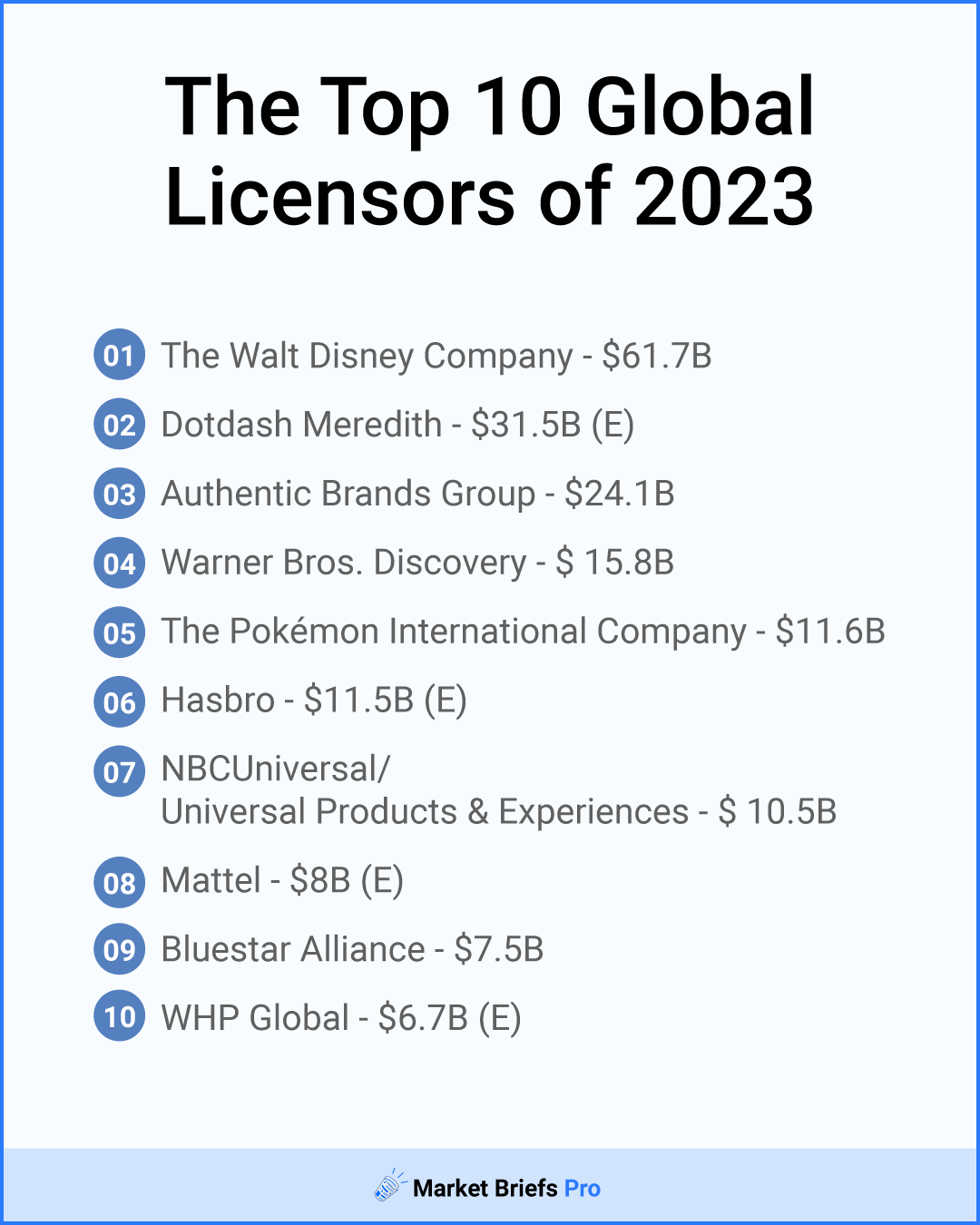
In 2024, its digital and game licensing division grew by 22% year over year to reach $471 million and the company is now the third largest entertainment licensor globally by revenue. |
 |
Data via Yahoo! Finance |
|
|
RISKS |
Is There A Gaming Bubble?
The video game industry is leveling up right now, but investors may still want to be aware of some risk factors:
While video games are popular now, and are projected to continue growing in demand, there’s no guarantee that gaming as a medium will continue to grow.
We also don’t know what gaming could look like decades from now - big pushes in VR and AI could change the landscape and shift dollars away from current opportunities.
Gaming is very tech focused, but is also a part of the larger entertainment industry as a whole.
This means that it is always facing competition from other entertainment types like streaming and social media that pull gamers away.
And when it comes to licensing, there's some potential risk to big entertainment companies licensing their characters for games.
"The challenge of course is going to be maintaining the integrity of that IP and making sure that the characters are not negatively affected by the freedom of users." - David Hoppe.
Lastly, creating games is expensive - to make the average AAA title like Call of Duty, the costs can range anywhere from $50 million to $300 million, or even $1 billion.
Achieving profitability with costs so high is a challenge for gaming companies and may impact the number of games that are published in the future.
|
|
|
REVIEW |
More Than Just A Game
Gaming has been growing in popularity for decades - and the Switch 2’s release just showcases the new opportunities for investors.
Not only do gamers need games to play, but they need the right hardware and equipment.
And according to David, IP from big entertainment companies is going to be the next big opportunity in gaming:
"We have the opportunity to expand even further the value and importance of games as people are increasingly able to really have a personalized experience. That's going to lead to more and more opportunities for licensing for the likes of large incumbents like Disney as well as smaller IP owners as well."
|
|
 |
Data via True List |
|
Half the planet is already playing video games and the number of new gamers entering the scene is speeding up, not slowing down.
In the end, businesses involved with this Shift will earn more revenue as gaming grows, something investors will want to keep an eye out for down the road.
|
|
